

Commodities & Futures · samer saeed · September 13, 2026
Fresh Shipping Attack in Strait of Hormuz and Saudi Pipeline Halt Deepen Oil Supply Concerns
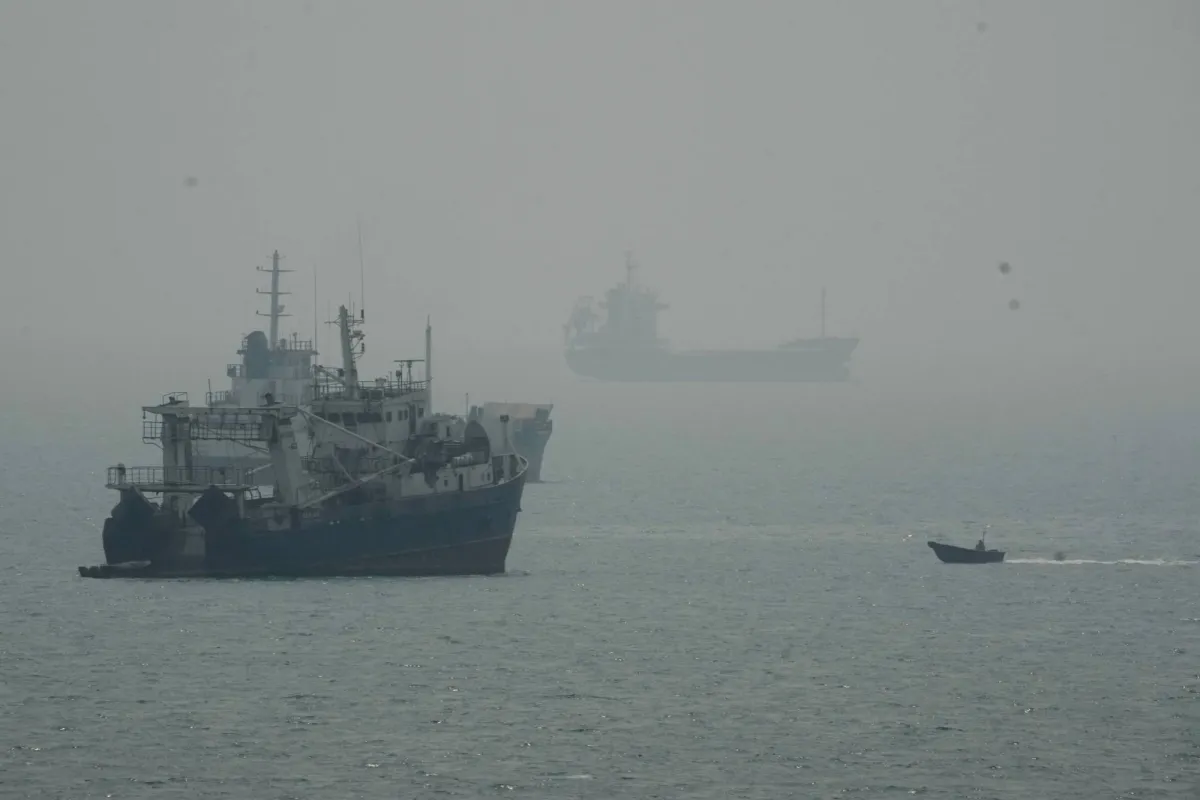
Global energy markets face renewed supply risks following reports on Sunday of a projectile striking a commercial vessel in the Strait of Hormuz. While maritime security monitors at UKMTO noted that the extent of the damage and crew safety are still being determined, the incident exacerbates anxieties surrounding vital Middle Eastern transit routes.
The maritime strike comes immediately after Saudi Arabia temporarily shut down its 1,200-kilometer (745-mile) East-West pipeline as a defensive measure following a drone attack. Authorities in both Riyadh and Baghdad traced the drone's launch to Iraq, an area with active Iran-backed militias. Satellite surveillance confirmed heavy smoke rising from a pipeline section south of Medina, with the Saudi Foreign Ministry reporting injuries alongside an ongoing structural damage review. The strategic artery conveys between 4 million and 5 million barrels of crude per day—amounting to roughly 4% to 5% of worldwide supply—serving as a critical export detour over the past half-year while the Strait of Hormuz has remained predominantly disrupted by armed conflict.
The persistent escalations have fueled substantial price pressures across the energy sector. Brent crude climbed back above $100 per barrel over the preceding week, while retail diesel prices in the United States touched record highs above $6 per gallon. Market friction has intensified as both U.S. and Iranian forces exchanged fire against tankers, accompanied by Iran-aligned Houthi advancements near the Red Sea that threaten another major maritime shipping lane. Former U.S. President Donald Trump suggested Tehran was probably behind the pipeline incident.
On the diplomatic front, formal engagement between the United States and Iran has stalled since an agreement broke down shortly after its finalization in June. Ebrahim Azizi, who chairs the Iranian parliament's national security committee, reiterated over the weekend that talks remain pointless until Washington accepts all of Tehran's demands. While Iranian officials are scheduled to participate in an Oman-hosted summit alongside Gulf Arab states and Iraq on Monday to review the future of the Strait of Hormuz, Iranian officials downplayed expectations of a binding agreement. Tehran is demanding recognition of maritime authority over the strait and the authorization to collect vessel transit fees—a framework rejected by Washington—and has tied any complete reopening of the passage to seven specific conditions.
Related articles
- Crude Markets Navigate Geopolitical Uncertainty as Supply Rebound Looms
- Gold Rebounds as Bullish Sentiment Persists Despite Labor Market Strength
- Gold Prices Surge in Pakistan as Global Markets Rally Ahead of US Labor Data
- White House Threatens Diesel Export Ban Against France and Germany
- Brent Crude Eyes Critical 200-Day Moving Average Amid Bearish Pattern
- Diplomatic Progress: Iran Reviews US Response to Seven-Day De-escalation Proposal