

Commodities & Futures · samer saeed · September 9, 2026
Energy Markets Face Volatility as Middle East Conflict Escalates
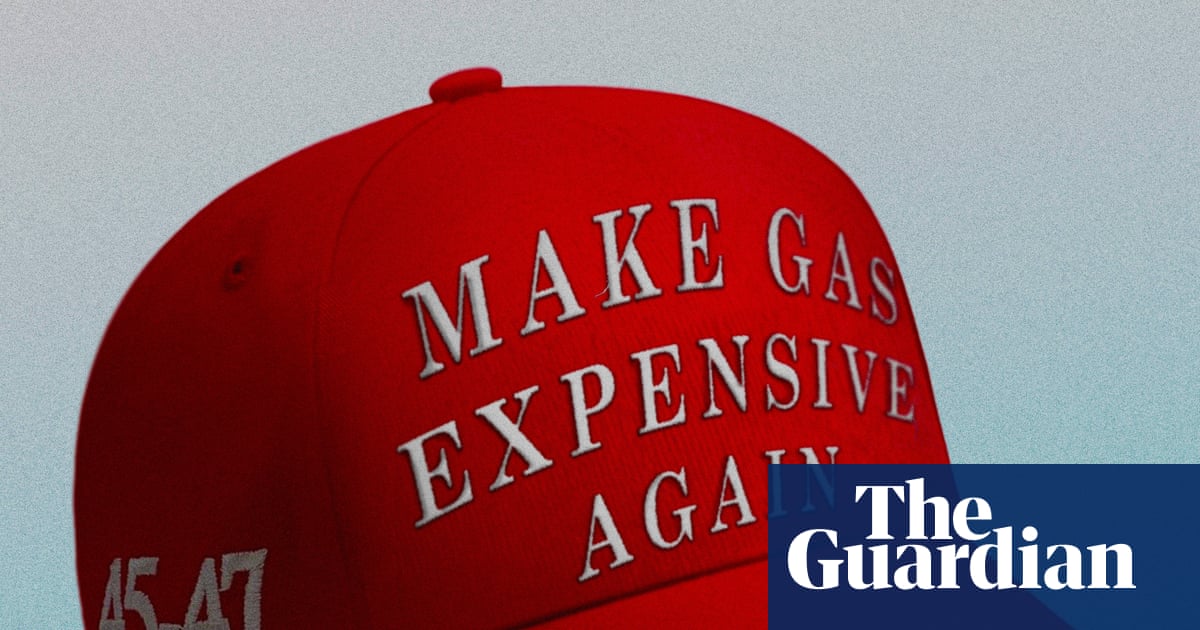
The initial market optimism following the U.S.-led airstrikes in Iran has evaporated, replaced by fears of a protracted conflict and severe economic instability. While early analysts predicted a short-term geopolitical flare-up with limited impact on oil prices, the reality three weeks later is stark: crude has surged past $100 per barrel, and European natural gas prices have doubled. Major central banks, including the Federal Reserve, the Bank of England, and the European Central Bank, are now signaling that the conflict poses a significant threat to global growth and inflationary stability. The situation is particularly dire for European heavy industry; chemical giants like BASF are raising prices, and facilities such as the Huntsman plant in Teesside face operational risks. Furthermore, rising costs for petroleum-based fertilizers are expected to drive up global food prices. The crisis deepened after Iranian strikes targeted Qatar's Ras Laffan LNG facility, fueling fears of a potential 'doomsday' scenario for energy supply if the Strait of Hormuz remains compromised. With Iran threatening to push oil prices toward $200 per barrel, investors are struggling to navigate the uncertainty created by conflicting signals from the White House regarding the duration and scope of the war.
Related articles
- Crude Markets Navigate Geopolitical Uncertainty as Supply Rebound Looms
- Gold Rebounds as Bullish Sentiment Persists Despite Labor Market Strength
- Gold Prices Surge in Pakistan as Global Markets Rally Ahead of US Labor Data
- White House Threatens Diesel Export Ban Against France and Germany
- Brent Crude Eyes Critical 200-Day Moving Average Amid Bearish Pattern
- Diplomatic Progress: Iran Reviews US Response to Seven-Day De-escalation Proposal