

Commodities & Futures · samer saeed · September 14, 2026
Energy Markets Volatile as Regional Tensions Derail Diplomatic Talks
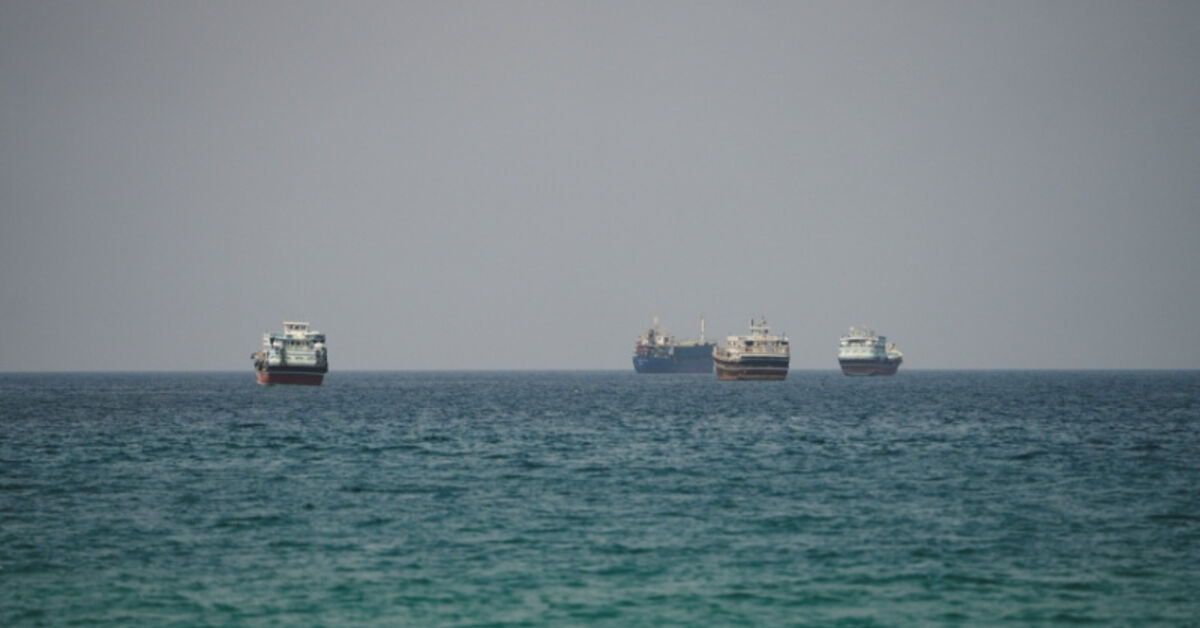
Geopolitical instability in the Middle East has intensified, causing oil prices to climb over 3% as a critical diplomatic summit between Iran and Gulf nations was abruptly delayed. Oman’s foreign minister, Sayyid Badr Albusaidi, announced the postponement of Monday’s meeting, which was intended to address the management of the Strait of Hormuz—a vital maritime corridor responsible for roughly 20% of global oil flow. While Iran and Oman plan to reschedule, the delay signals a setback for regional stability. Compounding these fears are recent security incidents, including a projectile strike on a vessel in the Strait of Hormuz and ongoing attacks on Saudi energy infrastructure. Notably, Saudi Arabia has shuttered its 1,200-km (745-mile) east-west pipeline following recent strikes, leaving the kingdom with only five to seven days of export capacity stored at the Red Sea port of Yanbu. Should the pipeline remain offline, approximately 4% of the global oil supply faces potential disruption. This supply crunch is already impacting consumers, with U.S. diesel prices hitting a record high of over $6.20 per gallon. Furthermore, ship-tracking data indicates that daily transits through the Strait of Hormuz have dropped to single digits, falling well below the recent 10-day average of 14 vessels per day.
Related articles
- Crude Markets Navigate Geopolitical Uncertainty as Supply Rebound Looms
- Gold Rebounds as Bullish Sentiment Persists Despite Labor Market Strength
- Gold Prices Surge in Pakistan as Global Markets Rally Ahead of US Labor Data
- White House Threatens Diesel Export Ban Against France and Germany
- Brent Crude Eyes Critical 200-Day Moving Average Amid Bearish Pattern
- Diplomatic Progress: Iran Reviews US Response to Seven-Day De-escalation Proposal