

Commodities & Futures · samer saeed · August 28, 2026
Global Oil Supply Stalled: Conflict‑Hit Nations Supply Nearly Half of World’s Crude
In the middle of 2026, almost 50 % of the world’s oil originates from regions embroiled in conflict, a figure that eclipses any previous energy crisis. A month after U.S. and Israeli strikes on Iranian targets, the largest supply disruption in history has unfolded, with no clear resolution on the horizon.
The war in Ukraine continues to throttle production and refinery output, a trend that spilled over into Kazakhstan this year. Meanwhile, fighting in Libya and U.S. sanctions on Venezuelan crude have compounded the squeeze.
Using International Energy Agency data, analysts estimate that conflict‑affected countries produced roughly 45 million barrels per day (bpd) in 2025, representing more than 43 % of global supply. The resulting instability has forced the world to lean heavily on U.S. imports, although severe weather has occasionally disrupted that lifeline as well.
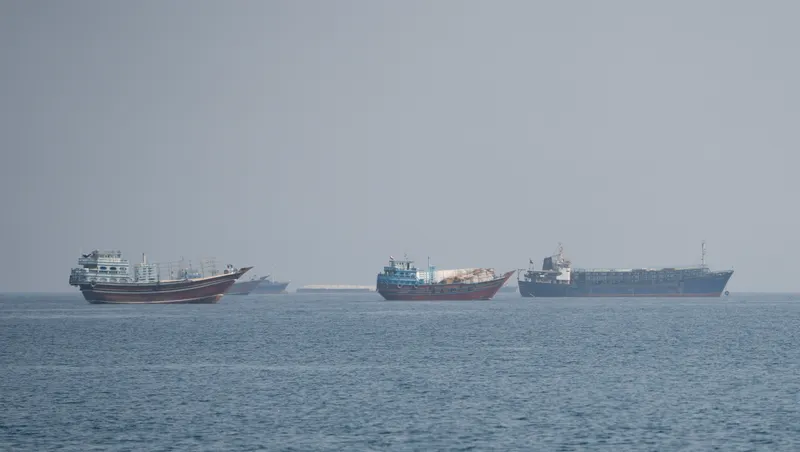
Disruptions have been staggered rather than simultaneous. Saudi Arabia’s rerouting of exports to the Red Sea and covert siphoning of oil through the Strait of Hormuz have pushed Gulf‑region flows to an estimated 5–6 million bpd. Yet the threat remains acute, as attacks in the Red Sea and near Egypt’s Suez Canal in July underscored the fragility of this corridor.
Ukraine’s strikes on Russian refineries—including a blast on an Omsk plant 2,700 km from Ukrainian‑held territory—have cut global refining capacity by roughly one‑tenth. Russia is now grappling with fuel shortages, banning gasoline and diesel exports and tightening global fuel markets.
Rising fuel prices are a key inflation driver, inflating borrowing costs and pushing U.S. debt toward a record US$40 trillion (RM161.7 trillion). U.S. diesel prices have hit all‑time highs despite refiners operating at maximum capacity.
In response, the IEA has released record volumes from emergency stockpiles to buffer the shock. Those releases are largely complete, even as global inventories continue to fall.
Related articles
- Copper Holds at $6.73, Eyes Breakout at Key Fibonacci Level
- Oil & Gas Markets Stall Amid OPEC+ Production Boost and Geopolitical Uncertainty
- Silver Holds Steady at $61.70‑$62.20 Resistance Amid Broader Macro Downtrend
- London Gas Oil Faces Key 200‑Day SMA Support After Double‑Top Formation
- Natural Gas Forms Bull Flag Pattern, Holds at $3.172
- Abbas Delays Palestinian Elections, Sets Combined Vote for September 2027