

Commodities & Futures · samer saeed · September 3, 2026
European Natural Gas Prices Ease as Traders Secure Gains After Surge Beyond War‑Highs
European natural‑gas prices have slipped back toward normalcy after a sharp rally that pushed them past the highest levels seen during the recent Middle‑East flare‑up. Traders are cashing out on the gains that accumulated as the market priced in the risk premium associated with the Strait of Hormuz and the broader geopolitical tension.
The rally began after a series of headlines that suggested a breakthrough in the U.S.–Iran talks. On June 14, Pakistani Prime Minister Shehbaz Sharif announced that the U.S. and Iran were close to a peace agreement, a claim later echoed by President Trump who said the maritime blockade would be lifted and the Strait of Hormuz would open for "free passage." Iran’s deputy foreign minister added that the text of the agreement had been finalized and that all military operations, including those along the Lebanese front, would end immediately.
Asian markets reacted swiftly. At the opening in Tokyo and Seoul, major indices briefly surged more than 5%, while oil prices fell roughly $3 a barrel. Brent crude slipped to around $84 a barrel, reflecting the market’s effort to price out the geopolitical premium that had been inflating energy prices for the past three and a half months.
The deal is not yet finalized. The key signing is set for June 19 in Switzerland, and the U.S. and Iran have slightly different interpretations of the terms. The U.S. insists the strait will be fully open, whereas Iranian media reports that maritime traffic will be coordinated by Iran and Oman under "Iranian arrangements" within 30 days. Meanwhile, Israel was still conducting strikes on Beirut at the time of the announcement, and critical issues such as the nuclear program, uranium enrichment, and sanctions relief remain on the negotiating table for the next 60 days.
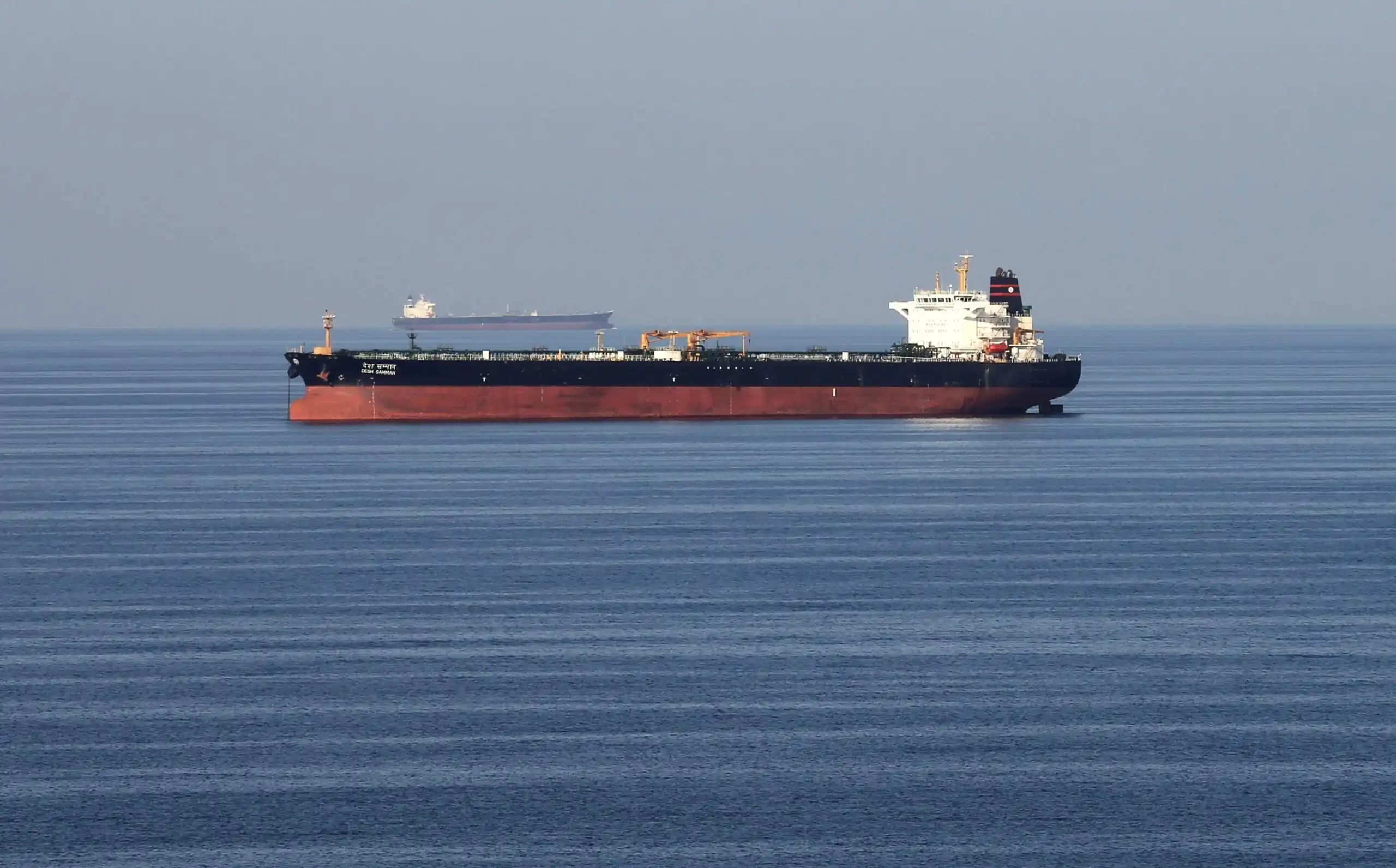
The Strait of Hormuz has long been a strategic chokepoint, carrying roughly one‑fifth of the world’s oil and a significant share of LNG. Following the U.S.–Israeli strikes on Iran on February 28, Iran retaliated with missiles, drones and maritime restrictions, effectively turning the waterway into a de‑facto blockade. For months, the market feared a triple lock: Iran using the strait as a bargaining chip, the U.S. blockading Iranian ports, and the Israel‑Hezbollah front making it politically difficult for Iran to compromise.
Now the process of reopening the strait has officially begun. Even if the agreement takes effect, experts warn that it could take months for oil and gas supplies to normalize. Shipping, insurance, refineries, mine clearance and security all need time to adjust. Oil tankers stranded in the Persian Gulf will not resume sailing on a single statement, and insurance companies and ship owners will not reset their risk assumptions back to pre‑war levels overnight.
For investors, the key question is which financial products can be traded in this evolving environment. Over the past few months, crude oil, natural gas, shipping insurance, aviation fuel, fertilizers and inflation expectations have all been priced with a Middle‑East risk premium. As the conflict moves from a military phase to a diplomatic one, market participants are closely watching how quickly the risk premium can be unwound and what new opportunities may arise.
Related articles
- Crude Markets Navigate Geopolitical Uncertainty as Supply Rebound Looms
- Gold Rebounds as Bullish Sentiment Persists Despite Labor Market Strength
- Gold Prices Surge in Pakistan as Global Markets Rally Ahead of US Labor Data
- White House Threatens Diesel Export Ban Against France and Germany
- Brent Crude Eyes Critical 200-Day Moving Average Amid Bearish Pattern
- Diplomatic Progress: Iran Reviews US Response to Seven-Day De-escalation Proposal