

Market News · samer saeed · September 6, 2026
UK Sets £15bn Defence Boost, Slashing Other Investment Budgets
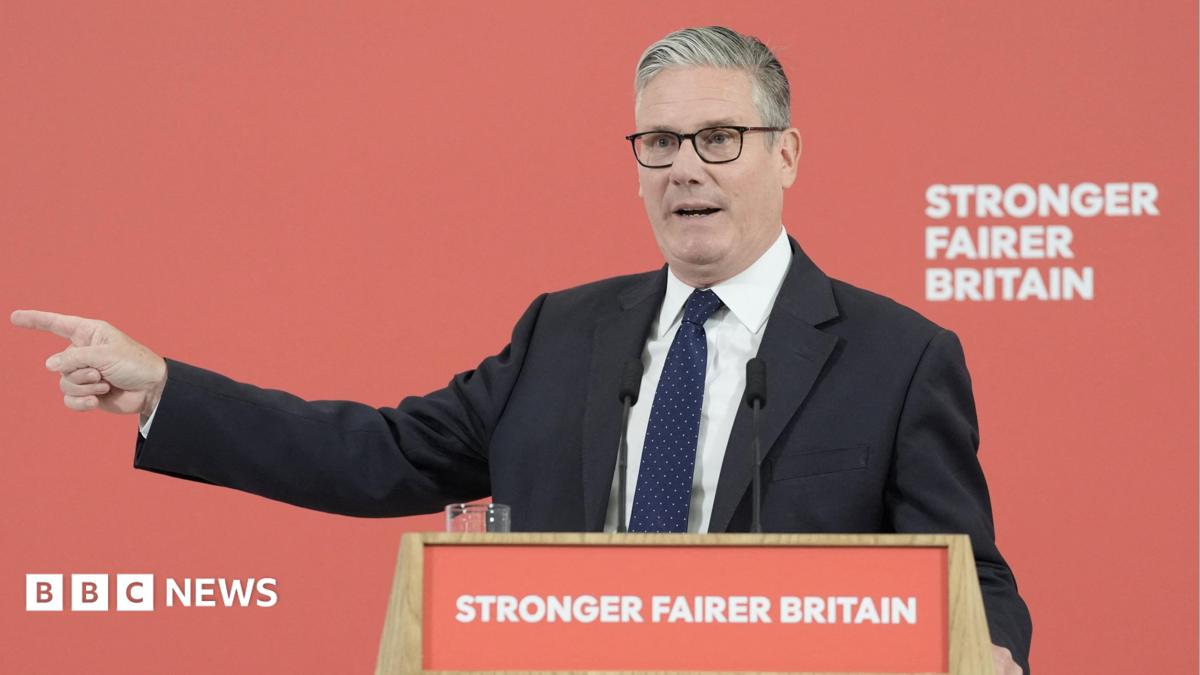
In a final move before leaving office, Prime Minister Sir Keir Starmer announced that the United Kingdom will raise its annual defence budget to £80bn by 2029, an increase of £15bn over the next four years. The extra money will be sourced by cutting long‑term investment spending across other government departments by 1%. The Treasury has identified £10.3bn in savings, leaving a shortfall of £4.7bn that will need to be found in the upcoming autumn budget, likely under the stewardship of his successor, Andy Burnham.
The new Defence Investment Plan (DIP) surpasses the £13.5bn previously secured by former Defence Secretary John Healey, though it falls short of the £28bn that defence chiefs have been seeking. Sir Keir ruled out additional borrowing, insisting the funding would come from budget cuts rather than debt.
Key savings targets include a £700m cut in the Department for Transport’s road projects – with the A38 Derby Junctions and A46 Newark Bypass earmarked for cancellation – and a £2bn reduction in the Department for Energy Security and Net Zero’s budget.
The DIP outlines several high‑profile commitments: more than £64bn to reinforce the nuclear deterrent, including new submarines and F‑35A fighter jets; £5bn earmarked for a “drone transformation” of the armed forces; over £8bn for the Global Combat Air Programme, a partnership with Japan and Italy to produce next‑generation RAF stealth jets; and plans to transform the Royal Navy into a “hybrid” force that blends autonomous vessels, AI, warships and aircraft, with funding for six new warships.
The Royal Air Force will pursue autonomous fighter jets and bring its uncrewed electronic warfare drone system online by 2026. The MoD also aims to realise almost £11bn in efficiency savings by 2030 through workforce reductions, cuts to consultancy spend and wider use of technology.
Several programmes have been scrapped or re‑prioritised, including the Storm Shadow missile, a new satellite system and Wildcat utility helicopters, which will be phased out in favour of autonomous replacements.
The DIP is the government’s long‑delayed attempt to reverse the “corrosive hollowing out” of the armed forces that occurred under the previous administration, and it will be built upon by the incoming government.
Related articles
- Oil Market Analysis – Friday, October 2, 2026
- Gold Analysis – Friday, October 2, 2026
- Key economic news for today, Friday, October 2, 2026:
- Evercore Reshapes Industrial Outlook: Legrand Lifted by Datacenter Boom, Siemens Trimmed on Margin Concerns
- NVIDIA’s Q2 Surge Sends Stock to 8.4% Peak
- Glencore Projects $5 Billion+ Trading Profit for 2026, Unveils New Long-Term Framework