
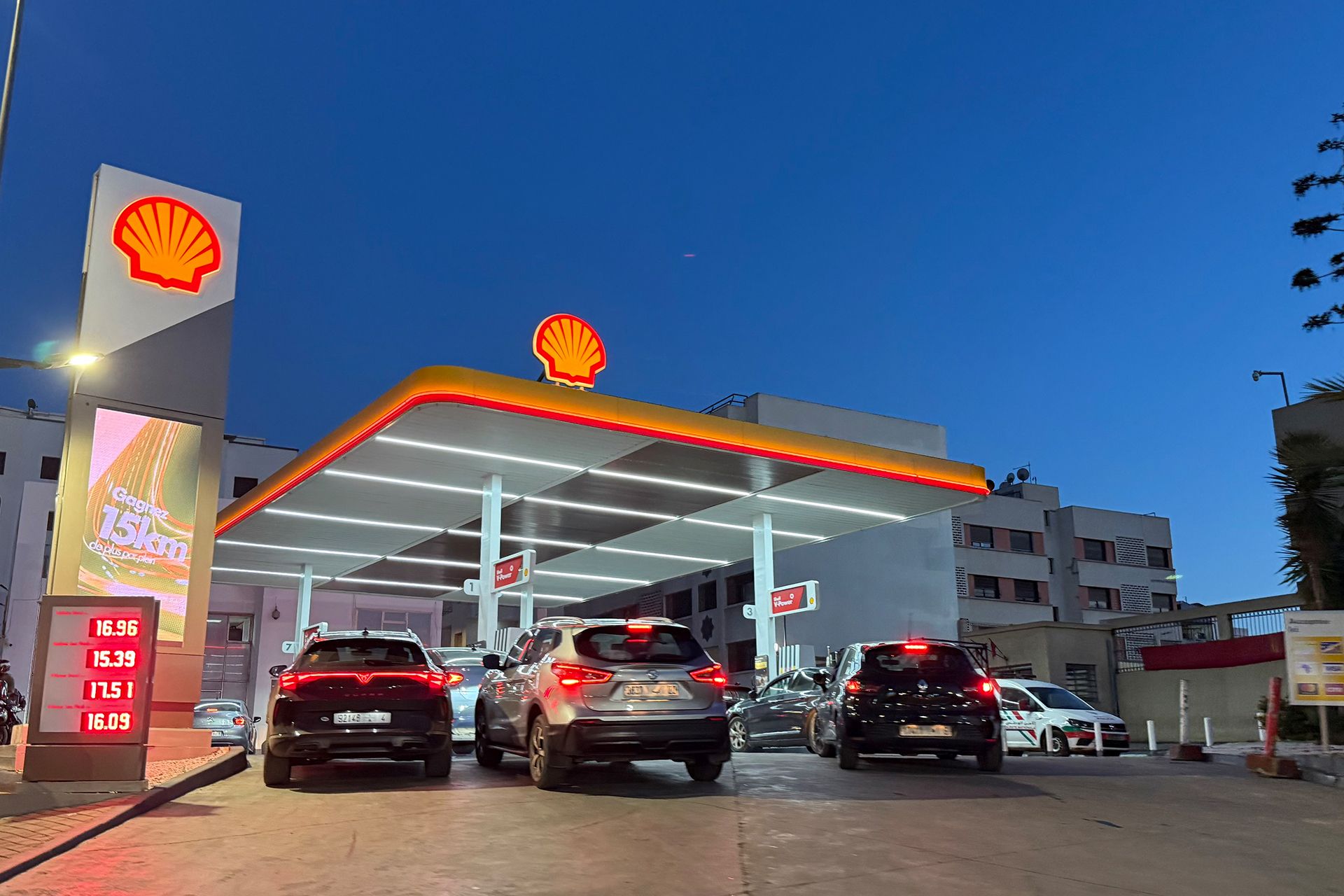

The repercussions of rising fuel prices have reached record levels, extending to other essential goods, including vegetables and fruits, after the price of a liter of diesel at fuel stations rose to about 17 dirhams ($1.70) in early November, and a liter of gasoline to about 15.5 dirhams ($1.55).
Economist Rashid Sari believes that the current wave of price increases is not limited to direct fuel consumption; it also spreads to agricultural products, especially vegetables and fruits, burdening ordinary citizens and raising questions about the effectiveness of subsidies aimed at public transport workers and their impact on the final prices borne by consumers.
Al-Qarqouri explained that the coordination committee has requested a meeting with the Prime Minister to present its proposals, which include allocating a "professional diesel" (diesel designated for professionals at a subsidized price) for sector workers, agreeing on a mechanism to supply it, or adopting measures that ensure automatic and regular disbursement of the subsidy whenever the diesel price exceeds 12 dirhams per liter.
Wholesale liquid gas distributors threatened an emergency halt in supplying markets with butane gas cylinders, protesting rising transportation costs and the continued operation with limited, regulated profit margins, stating that these margins no longer cover operating expenses and ensure business continuity, which could jeopardize the regular supply of gas across the kingdom.
According to Rashid Sari, the impact of rising fuel prices is no longer confined to citizens' purchasing power and passenger or freight transport; it also extends to non-transport companies, which are now facing profit declines that negatively affect the state's tax revenues and could also affect employment opportunities.
The minister, during the discussion of the 2027 budget draft in parliament this week, said that reinstating fuel price subsidies would cost the state budget between 50 and 70 billion dirhams ($5‑7 billion), whereas the government prefers to allocate these resources to social sectors such as education, health, and basic services.