

Market News · samer saeed · September 2, 2026
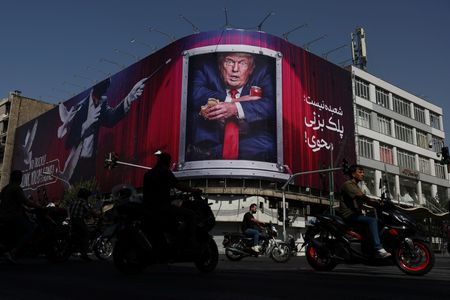
Trump Administration Seeks to Keep Iran Conflict Low‑Profile Ahead of Midterms
White House aides are working to keep the Iran conflict from heating up before the November 3 midterm elections, according to sources familiar with the discussion. The strategy is designed to protect the Republican Party’s slim majorities in Congress, which could be threatened by a high‑profile war.
The officials say they will evaluate a possible escalation of military action only after the election, but the decision is far from settled. For now, the focus is on intensifying economic pressure on Iran in hopes of forcing concessions that past military moves failed to secure.
"We’re keeping the pressure on Iran, but November is a priority," one White House official told the sources. The plan to keep the conflict largely contained would also prevent the war from dominating the news cycle and give the U.S. military time to replenish depleted munitions stockpiles.
Public opinion is clearly against the war: a late‑August Reuters/Ipsos poll found that only 31% of Americans approve of the conflict, while 63% disapprove. Voters are also frustrated by rising gas prices.
The situation is becoming increasingly difficult to manage. While the fighting is less intense than in the spring or the summer flare‑up, both sides have continued to exchange retaliatory strikes. Iran, emboldened by its ability to disrupt shipping through the Strait of Hormuz and with little domestic unrest, is likely to keep targeting U.S. and allied Gulf assets, including military bases, vessels and energy infrastructure.
The United States faces mounting pressure to retaliate, which could trigger a spiral back into full‑scale air warfare – whether or not the administration wants it.
Over the weekend, U.S. forces struck rocket launchers on Iran’s Larak Island after a period of relative calm, prompting Iran to fire missiles toward Jordan and the United Arab Emirates. On Tuesday, the U.S. targeted additional Iranian positions around the Strait of Hormuz.
"The regime has every incentive to disrupt the ‘calm’ – which is no real calm, given the administration’s explicit aim to increase economic pressure massively on Iran," said former State Department official Barbara Leaf.
President Trump’s approval rating has fallen from 40% to 33% since the conflict began, according to Reuters/Ipsos polling. While he is not currently inclined toward escalation, he is known for changing his stance in response to events.
On Tuesday, Trump warned that he would intensify the conflict if Iran retaliated against the latest U.S. strikes.
Related articles
- Oil Market Analysis – Friday, October 2, 2026
- Gold Analysis – Friday, October 2, 2026
- Key economic news for today, Friday, October 2, 2026:
- Evercore Reshapes Industrial Outlook: Legrand Lifted by Datacenter Boom, Siemens Trimmed on Margin Concerns
- NVIDIA’s Q2 Surge Sends Stock to 8.4% Peak
- Glencore Projects $5 Billion+ Trading Profit for 2026, Unveils New Long-Term Framework