

Commodities · samer saeed · October 12, 2026
Oil Prices Hold Despite Middle East Tensions, IEA Highlights Resilience of Supply Chains
The International Energy Agency (IEA) has confirmed that rising tensions in the Strait of Hormuz and surrounding energy infrastructure are still a concern for global energy security. However, the agency noted that a combination of alternative shipping routes, increased exports from non‑Gulf producers, and coordinated releases from strategic reserves have helped keep the market supplied.
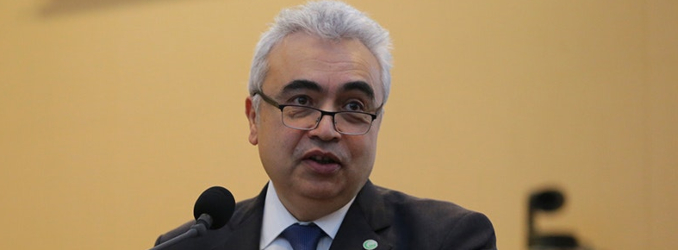
In a statement released Tuesday, IEA Executive Director Fatih Birol said the conflict has heightened uncertainty about the market outlook, and that new threats to the Bab el‑Mandeb Strait have added to supply worries by putting at risk a vital alternative shipping corridor.
Despite the disruption, Birol emphasized that crude markets are benefiting from several mitigating factors. Saudi Arabia and the United Arab Emirates continue to ship significant volumes via routes that avoid the Strait of Hormuz, while a portion of cargoes still transit the waterway. The IEA estimates that Gulf crude exports remain below the highs seen in late‑June but are still well above the levels recorded between early March and mid‑June.
Additional crude shipments from the United States, Brazil, Venezuela and Kazakhstan have also helped offset the reduced Gulf supplies, and lower Chinese crude imports have eased pressure on global markets.
The agency highlighted that emergency stock releases by member countries continue to provide substantial market support. Since the coordinated response announced on March 11, members have released roughly 290 million barrels of oil from strategic reserves, with further volumes expected to enter the market. More than 1 billion barrels of government‑controlled emergency stocks remain available if needed.
Birol cautioned that risks remain elevated. Refining activity has not recovered as quickly as crude deliveries, leaving diesel and gasoline markets tighter than crude markets. In natural gas, increased LNG exports from the United States and Canada have replaced about 70 % of lost Gulf supplies, but prolonged disruptions could keep LNG markets tight as Europe continues to replenish storage ahead of winter.
The IEA reiterated that a full reopening of the Strait of Hormuz is essential to restore stability and prevent further deterioration in global energy security.
Related articles
- Mounting Bearish Pressure Pushes Gold Toward 4,100 Target
- Gold Rebounds Past $4,170 as Weak US Jobs Data Softens Rate Hike Expectations
- Silver’s Technical Path Ahead: Insights from VC PMI, Cycle Timing, and Square 9 Analysis
- Gold Market Signals Skepticism Over Fed Autonomy Under Warsh
- Silver Eyes Breakout, Targets $68.89 and $70.95
- Brent Climbs Toward $96 Amid Iran Tensions