

Market News · samer saeed · October 11, 2026
Russian gas with American returns: Is Europe paying twice for the revival of Nord Stream?
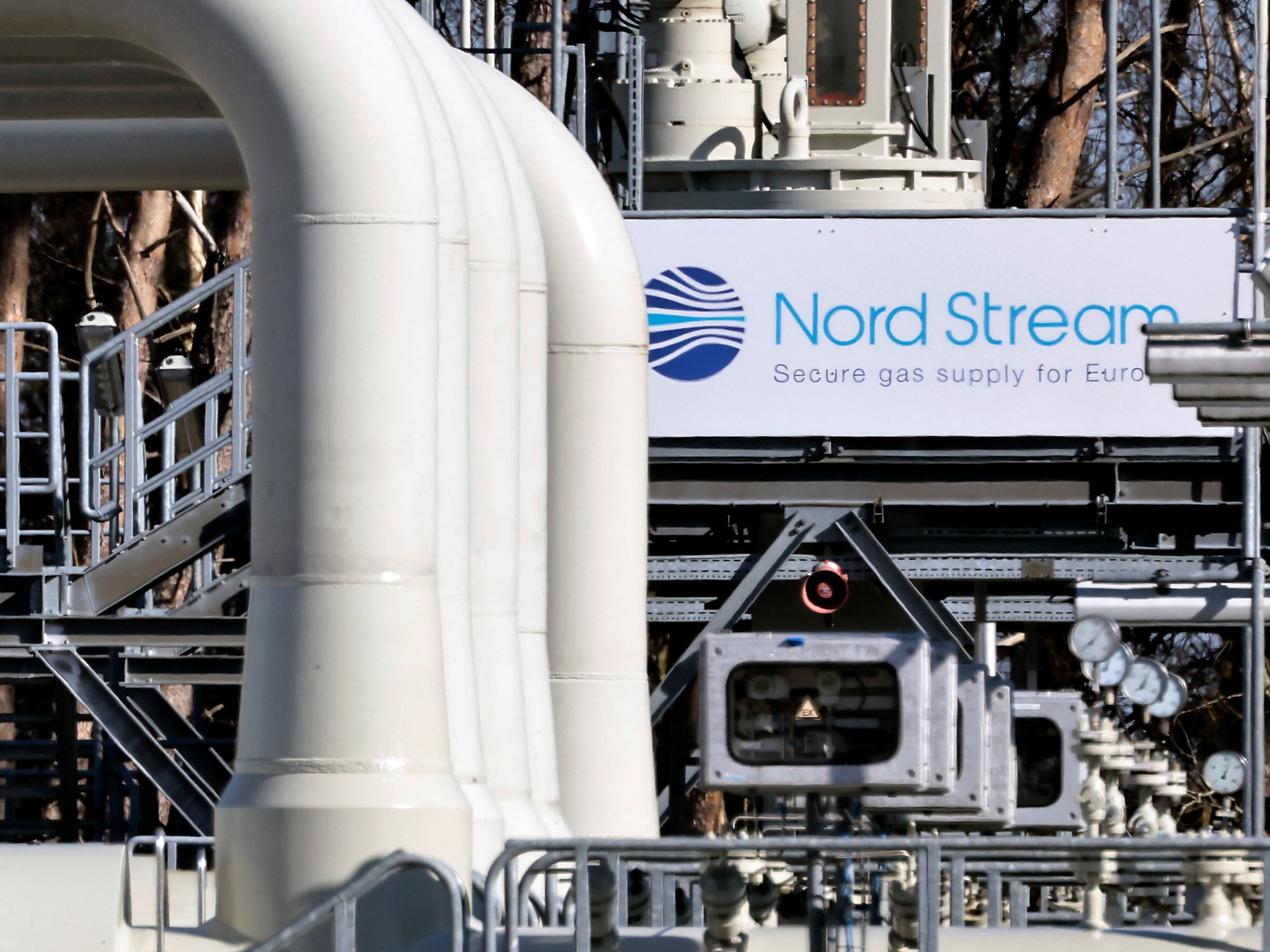
US-Russian talks regarding the entry of an American investor into the Nord Stream pipelines open the possibility of redistributing Russian gas revenues. Under such an arrangement, Moscow could recover a portion of its exports to Europe, while American investors would earn profits from the infrastructure. However, the project faces European opposition that solidified following a costly energy crisis, while its potential return raises questions about gas prices and competition with American and Qatari exports. Reuters reported on October 8, citing five anonymous sources, that US and Russian officials, including Jared Kushner and Kirill Dmitriev, discussed potential American investment participation in Nord Stream. However, a White House official denied recent talks regarding the project, while another US official ruled out reaching an agreement in the medium term. In May 2022, the European Commission launched the 'REPowerEU' plan to end reliance on Russian fossil fuels and diversify energy sources. At the time, it estimated the cost of Russian fuel imports at approximately 100 billion euros annually and noted that 85% of Europeans supported rapidly reducing reliance on Russian oil and gas to support Ukraine, according to a cited survey. In an analysis published by Reuters in September, Morgan Stanley indicated the possibility of continued disruption to Qatari supplies until the first quarter of 2027. It also estimated that a cold winter combined with continued supply shortages could push European prices to levels as high as 200 euros per megawatt-hour, in a conditional scenario that does not represent a confirmed baseline forecast. Eliminating Russian gas has become part of a binding legal framework under European Regulation 2026/261, which stipulates a ban on Russian LNG imports under long-term contracts starting January 2027, and pipeline gas under long-term contracts starting September 30, 2027, with a specific possibility of postponement until November 1, subject to conditions related to storage levels. Thus, the Nord Stream equation is not only about who will share the revenues of Russian gas, but who will bear the cost of restarting it and the risks of relying on it. For Europe, a return could mean obtaining additional supplies, but it could also mean bearing the risks of a model from which it has already paid a significant economic price to exit, while the revenues of its potential revival are distributed between Moscow and American investors.
Related articles
- Key platforms, automated trading companies, and financial solutions.
- Automated Robot Trading: The Algorithmic Revolution in Financial Markets
- Iran conflict and debt take center stage at IMF and World Bank annual meetings
- Oil prices turn higher, posting weekly gains despite Trump's remarks on Iran talks
- The Dow Jones closes up more than 400 points, posting weekly gains.
- Saudi Arabia's Advanced Petrochemical profits plunge 94.44% in Q3 2026 due to lower revenues