

Currencies · Rami Hadad · August 27, 2026
Canadian Dollar Dips 0.5% as Trade Retaliation and U.S. Treasury Bond Buyback Signal Stir Markets
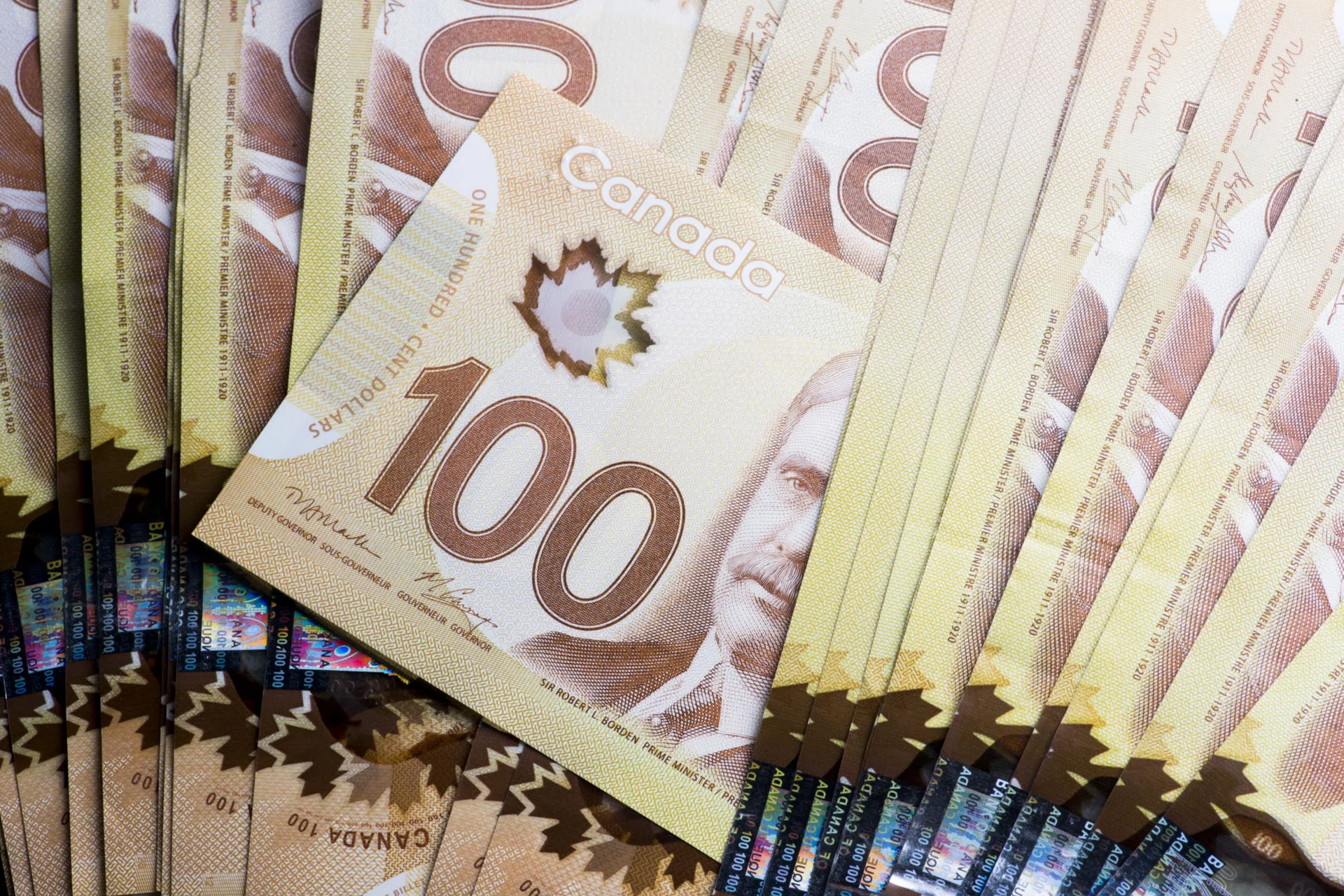
The U.S. dollar slipped close to its lowest levels in several months on Monday, August 24, as investors reacted to the Treasury’s announcement of larger long‑term bond buybacks and awaited fresh U.S. and Japanese policy remarks. The Canadian dollar fell 0.5 percent to C$1.384 per U.S. dollar after Washington imposed a 50 percent tariff on Canadian exports, prompting Canada to retaliate with matching duties.
The euro traded at US$1.1664, a modest dip but still near the three‑month peak reached last week. Sterling slid slightly to US$1.3627, hovering close to its six‑month high of US$1.3675, while the yen weakened marginally to 159.21 per dollar.
In a broader currency‑market shift, the dollar recorded its steepest weekly decline against bitcoin in roughly 3½ years on Sunday and has been falling sharply against gold, reflecting renewed worries that the currency could erode if the U.S. attempts to keep yields in check.
Long‑dated U.S. Treasury yields have been on the rise worldwide, driven by a robust economic outlook, higher inflation expectations and concerns over escalating sovereign debt. Last week, after 30‑year yields approached two‑decade highs, the Treasury announced it would double its buyback pace at the long end to US$4 billion per operation. Although this amount is small relative to the $32 trillion bond market, the interventionist tone rattled traders and dented the dollar.
"The more the Treasury tries to push back, the more markets will push against it," said Marc Ostwald, chief economist and global strategist at ADM Investor Services International. "That’s why we’ve seen strong support for gold and bitcoin as investors fear currency debasement and seek alternatives to G7 bond assets amid worries that deficits are not being curbed."
Meanwhile, China’s yuan, which posted an eighth straight weekly gain, hovered near a 3½‑year high at 6.7236 onshore per dollar. Treasury Secretary Scott Bessent’s threat of the “toughest sanctions in history” on Iran has drawn market attention to whether China might be targeted.
Iran’s foreign minister dismissed the sanctions threat as a sign of desperation. Market participants also look forward to Fed Chair Kevin Warsh’s Jackson Hole speech on Friday, where he is expected to address the Treasury’s buyback plans and the outlook for U.S. interest rates.
"A dramatic shift in communication could undermine his credibility if he appears too aligned with the Treasury, while silence on Fed policy risks further bond selling," warned Derek Halpenny, head of research at MUFG.
The Bank of Japan’s deputy governor Ryozo Himino will also speak on Thursday, offering clues ahead of next month’s policy meeting and potential market‑moving stances on the shift in policy direction.
Related articles
- Eurozone Debt Markets Steady as Lagarde Rejects French Bond Backstop
- Dollar Weakens Ahead of U.S. CPI, While China and Singapore Economic Data Await
- Euro Bond Volatility Persists Amid French Deficit Concerns and AI‑Driven Corporate Issuance Tightening
- Dollar Slides from 18‑Month High as RBI Boosts Rupee; Commodities Mixed
- India’s $700 bn Forex Reserves Provide Strong Buffer Amid Middle East Tensions
- Greenback Extends Winning Streak as Economic Data Solidifies Fed Policy Outlook