

Market News · samer saeed · September 10, 2026
France Finalizes Deal for Saab GlobalEye Surveillance Fleet
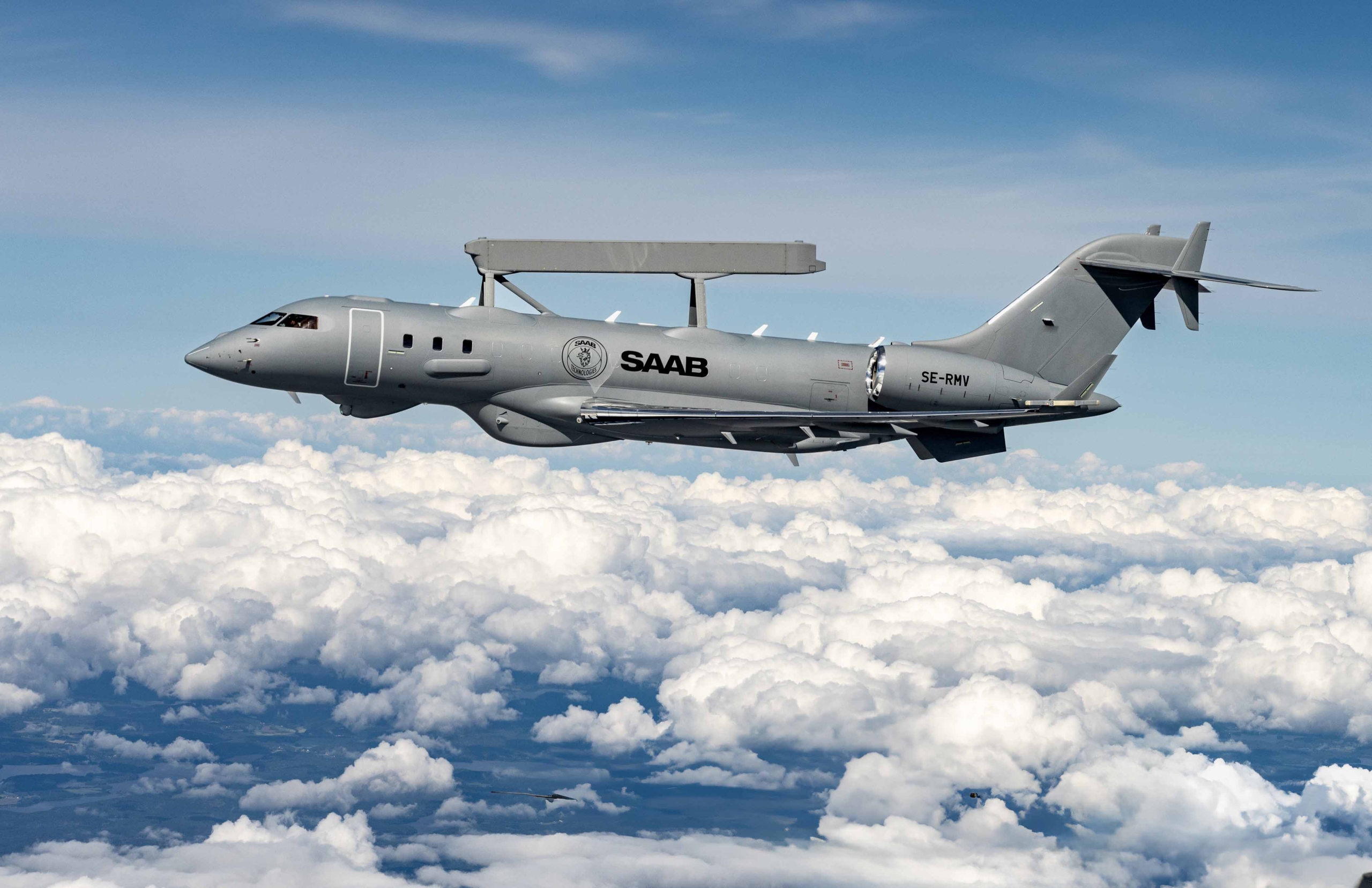
Saab has officially secured a contract to supply France with two GlobalEye Airborne Early Warning and Control (AEW&C) aircraft, marking a significant modernization of the nation's aerial surveillance capabilities. Valued at approximately SEK 12.3 billion ($1.3 billion), the agreement covers the delivery of the Bombardier Global 6500-based jets, along with comprehensive ground support, training, and equipment. Deliveries are scheduled to occur between 2029 and 2032, with an additional option for two more units.
This procurement serves as a strategic replacement for France's aging fleet of four Boeing E-3 Sentry aircraft. Saab CEO Micael Johansson emphasized that the deal reinforces European defense sovereignty and highlights the advanced detection capabilities of the GlobalEye, which utilizes the Erieye ER radar system. The platform is designed to provide integrated, real-time intelligence across air, land, and naval domains.
As European nations look to upgrade their aging AEW&C fleets, the GlobalEye has emerged as a frontrunner, already seeing adoption in Sweden and the UAE, with interest reported from Denmark, Germany, and Greece. The move comes as NATO members navigate the future of their own surveillance programs following shifts in procurement strategies for the Boeing E-7 Wedgetail. With the GlobalEye's proven versatility—having been adapted for various airframes ranging from regional turboprops to long-range business jets—it stands as a primary contender for NATO allies seeking a robust, modern alternative to legacy systems.
Related articles
- Oil Market Analysis – Friday, October 2, 2026
- Gold Analysis – Friday, October 2, 2026
- Key economic news for today, Friday, October 2, 2026:
- Evercore Reshapes Industrial Outlook: Legrand Lifted by Datacenter Boom, Siemens Trimmed on Margin Concerns
- NVIDIA’s Q2 Surge Sends Stock to 8.4% Peak
- Glencore Projects $5 Billion+ Trading Profit for 2026, Unveils New Long-Term Framework