

Earnings · samer saeed · September 18, 2026
BofA Boosts Equinor Amid Rising Energy Prices as Markets Grapple With Inflation, Trade, and Tech Developments
Bank of America upgraded Equinor’s rating, citing a brighter outlook for gas prices that could lift the Norwegian oil major’s earnings. The move comes as global energy markets feel the pressure of higher costs and geopolitical tensions.
In the UK, consumer‑price inflation accelerated to 2.9% in July from 2.6% in June, matching forecasts and staying well above the Bank of England’s 2% target. The uptick was largely driven by a 13% rise in the household energy price cap set by Ofgem, a reflection of the Middle East conflict’s impact on gas and power prices. The Bank of England held its policy rate at 3.75% in July, but the inflation data keeps the debate alive over a potential further hike later this year.
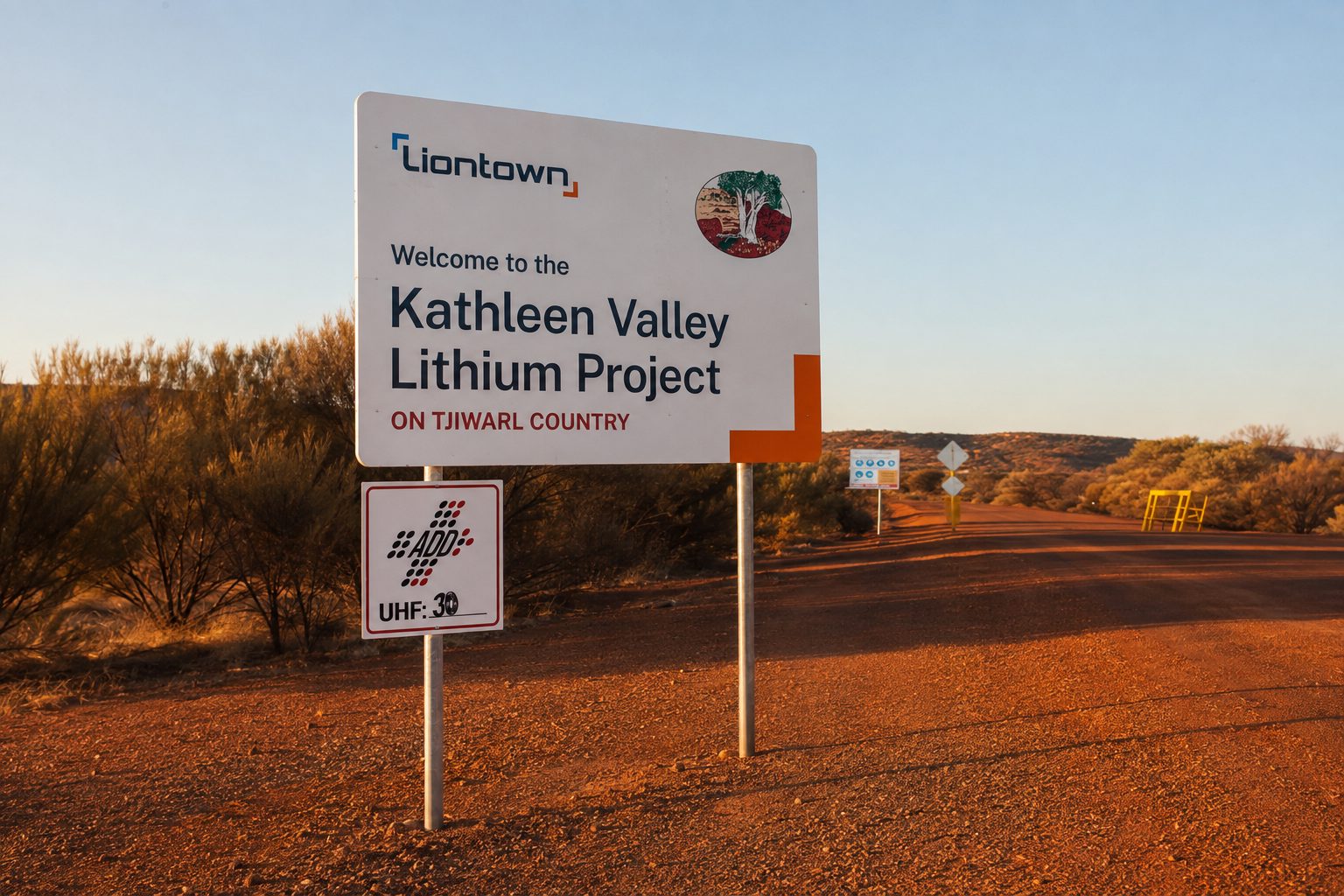
Australian miner Liontown Resources closed Tuesday at A$1.205, a 7.31% drop on the day, trading on 46.64 million shares – about 22% above its 30‑day average volume. The decline was steeper than that of peers such as PLS Group and Core Lithium, even though Liontown ended June with A$561 million in cash after a strong quarter at Kathleen Valley. The company has guided FY2027 capital spending to between A$320 million and A$370 million before any additional expansion.
Hong Kong Exchanges & Clearing posted a second‑quarter net profit of HK$5.38 billion, up 21% from a year earlier and ahead of the HK$4.77 billion consensus estimate. Revenue and other income rose 18% to HK$8.50 billion, while average daily turnover hit a quarterly record of HK$289.5 billion. The results underscore how heightened trading and IPO activity is translating into earnings as Hong Kong’s capital markets regain momentum.
Japan’s 10‑year government bond yield climbed to 2.945%, the highest level since September 1996. Rising inflation, fiscal concerns and expectations of a Bank of Japan rate increase have pushed borrowing costs sharply higher. The shift is notable given Japan’s public debt exceeds 200% of GDP and could draw domestic capital back from overseas markets, tightening funding conditions for the government and corporates.
U.S. President Donald Trump announced that the 50% tariffs on Canadian goods, set to take effect Wednesday, will be paused for three days following a deal between the two countries. The temporary halt removes a major trade shock for cross‑border manufacturers, commodity flows and the Canadian dollar, but markets await details on the agreement and whether the tariff threat will be permanently lifted.
In technology news, small batches of Nvidia’s H200 AI processors have begun entering mainland China. ByteDance and Tencent each received about 10,000 chips in recent weeks, with U.S. approvals allowing up to 100,000 H200s per company. Chinese regulators are still steering most deployments outside the mainland to support domestic chipmakers, but the limited shipments open a route to Chinese AI demand for one of Nvidia’s most capable processors.
Related articles
- Bernstein Launches Coverage on TE Connectivity with Outperform Rating
- B. Riley Upgrades Cue Biopharma to Buy on Allergy Drug Outlook
- Baird Downgrades Fluence Energy Amid Production Delays
- Stifel Boosts Veeva Systems Target to $275 Amid Strong Earnings Outlook
- Okta Shares Dip 6.4% Despite Analyst Upgrades, Investors Take Profits
- Raymond James Elevates AMD to Strong Buy, Boosts Target to $641